
In a world increasingly dependent on technology, the demand for skilled appliance repair technicians continues to grow. From refrigerators and ovens to washers and smart home devices, these essential machines keep daily life running smoothly—and when they break down, experts are needed to restore them to working order. Trade school appliance repair programs are designed to meet this need, offering focused, hands-on training that prepares students for real-world careers from day one.
 A Curriculum Built for Practical Learning
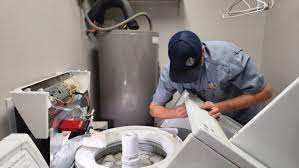
Unlike traditional academic paths, appliance repair programs prioritize practical skills over theory. Students spend significant time in workshops and labs, working on actual appliances—both classic models and the latest smart technologies. Under the guidance of experienced instructors, they learn to diagnose issues, replace parts, and understand the inner workings of mechanical and electrical systems. This learning-by-doing approach ensures that graduates don’t just understand concepts—they know how to apply them.
Core Skills You’ll Master
These programs cover a wide range of competencies essential for success in the field:
-
Electrical Diagnostics: Using multimeters and other tools to troubleshoot wiring, circuits, and control boards.
-
Mechanical Repair: Replacing motors, belts, seals, and other hardware in devices like washers, dryers, and dishwashers.
-
Refrigeration Systems: Learning the principles of cooling and refrigeration, including EPA certification for handling refrigerants.
-
Customer Service and Communication: Practicing how to interact professionally with clients, explain repairs clearly, and manage service calls efficiently.
Many programs also include training on smart appliances, teaching students how to navigate Wi-Fi-enabled interfaces, perform software updates, and troubleshoot connectivity issues.
Learning with Modern Tools and Technologies
Trade schools invest in equipment that reflects what’s used in the field today. From diagnostic software and manufacturer-specific tools to interactive simulators, students train with technology they’ll encounter on the job. This familiarity reduces the learning curve once they enter the workforce and allows them to stand out to employers looking for tech-savvy technicians.
Certification and Career Support
A key advantage of trade school programs is the focus on industry-recognized certifications, such as the EPA Section 608 certification, which is essential for working with refrigerants. Beyond technical training, many schools offer robust career services, including resume building, interview prep, job placement assistance, and connections to local employers. These resources help graduates transition smoothly into roles with utilities companies, repair franchises, retailers, or their own independent businesses.
A Career Built on Necessity
Appliance repair is a recession-resistant field. As long as households and businesses rely on appliances, there will be a need for skilled technicians. With the added advantage of flexible hours, high earning potential, and opportunities for specialization—such as working with commercial equipment or luxury brands—this career offers both stability and growth.
Trade school appliance repair certification in Nashville offer more than just an education—they provide a direct pathway to a dependable, hands-on career. For those ready to roll up their sleeves and become problem-solvers, this training is the first step toward a future filled with opportunity. For more details, visit https://www.nashvilletradeschool.com/.